Menopause can feel like a sudden shift—not just hormonally, but visibly in the skin too. Many women tell me they wake up one day and feel like their skin has aged overnight. And the truth is, there are real biological reasons behind this.
I recently had the pleasure of being a guest speaker for Our Skin Academy, hosting a seminar on understanding and managing menopause-related skin changes. What came through loud and clear is that women are searching for answers—and support—during this phase of life. Let’s break down what’s happening and, more importantly, what you can do about it.
Why Skin Aging Accelerates During Menopause
The number one reported menopause-related skin concern is aging—and oestrogen plays a central role here.
Oestrogen is essential for regulating fibroblast activity. Fibroblasts are the cells responsible for producing collagen, the protein that keeps skin firm, plump, and resilient. As oestrogen levels decline during menopause, fibroblast activity slows, collagen production drops, and existing collagen begins to break down more rapidly.
Research shows that women can lose up to 30% of their collagen within the first five years of menopause. This is significant and helps explain why many women suddenly feel their skin looks thinner, looser, and more aged in a short space of time.
The good news? While we can’t stop hormonal changes, we can support the skin through them.
Supporting Collagen Loss: A Strategic, Not Aggressive, Approach
When it comes to counterbalancing collagen decline, the focus should be on stimulating fibroblasts safely and effectively.
In-clinic treatments such as radiofrequency (RF) skin tightening and microneedling are designed to encourage collagen production by working with the skin’s natural repair mechanisms.
At home, skincare becomes more important than ever. Prescriptive-strength vitamin A supports healthy skin renewal and collagen stimulation, while a broad-spectrum SPF is non-negotiable to protect the collagen you already have and slow further degradation.
Nutrition also plays a supporting role. While food cannot replace your body’s natural oestrogen, it can help support oestrogen activity. Consider including phyto-oestrogen-rich foods such as flaxseeds, pomegranate, and organic soy as part of a balanced, skin-supportive diet.
Dry Skin & Sensitivity: The Barrier Breakdown
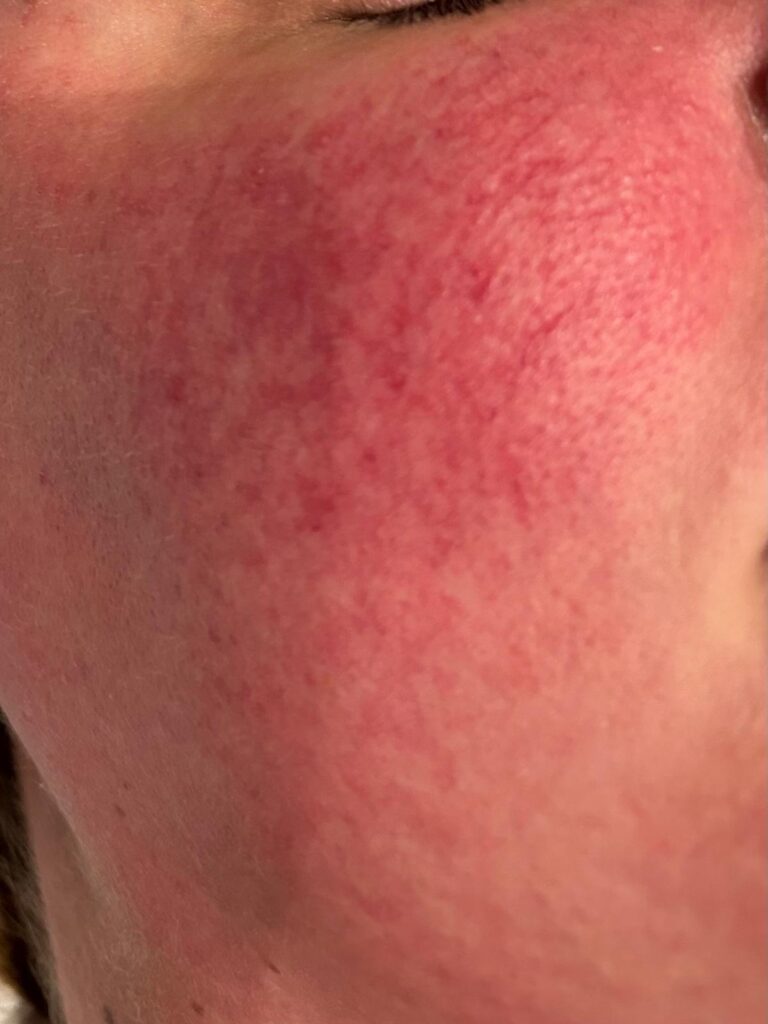
One of the most searched menopause skin concerns online is dry skin and impaired barrier function—and again, oestrogen is key.
Oestrogen plays an important role in ceramide production. Ceramides are lipids found in the outermost layer of the skin and are essential for maintaining a strong, healthy skin barrier.
Think of ceramides as the mortar between bricks in a wall. When this structure is intact, it locks moisture in and keeps irritants and pollutants out. During menopause, declining oestrogen levels lead to reduced ceramide production. The barrier weakens, water escapes, and deeper layers of skin become exposed to environmental stressors.
The result? Skin that feels dry, itchy, reactive, and fragile.
Restoring the Skin Barrier During Menopause
Barrier repair during menopause requires careful consideration. This is not the time for self-prescribing, experimenting with harsh acids, or chasing the latest “miracle” product.
Instead, less is more.
Professionally prescribed skincare is key. Strip your routine back to fewer products that are gentle, clean, and specifically formulated to support barrier repair—free from unnecessary actives and irritants.
When it comes to treatments, aggressive technology can further inflame compromised skin. A carefully planned treatment approach should focus on calming inflammation and restoring balance. Medical-grade LED (this does not include the mass market of inferior at home LED devices, don’t get me wrong there a couple of good ones but the majority are of a very low grade level with no clinical backing to verify the quality of the wavelengths used), vital for cellular change!) is highly effective for reducing inflammation and supporting skin healing, while treatments such as our IGC Lift & Sculpt work by boosting circulation and encouraging detoxification through skilled touch—not trauma.
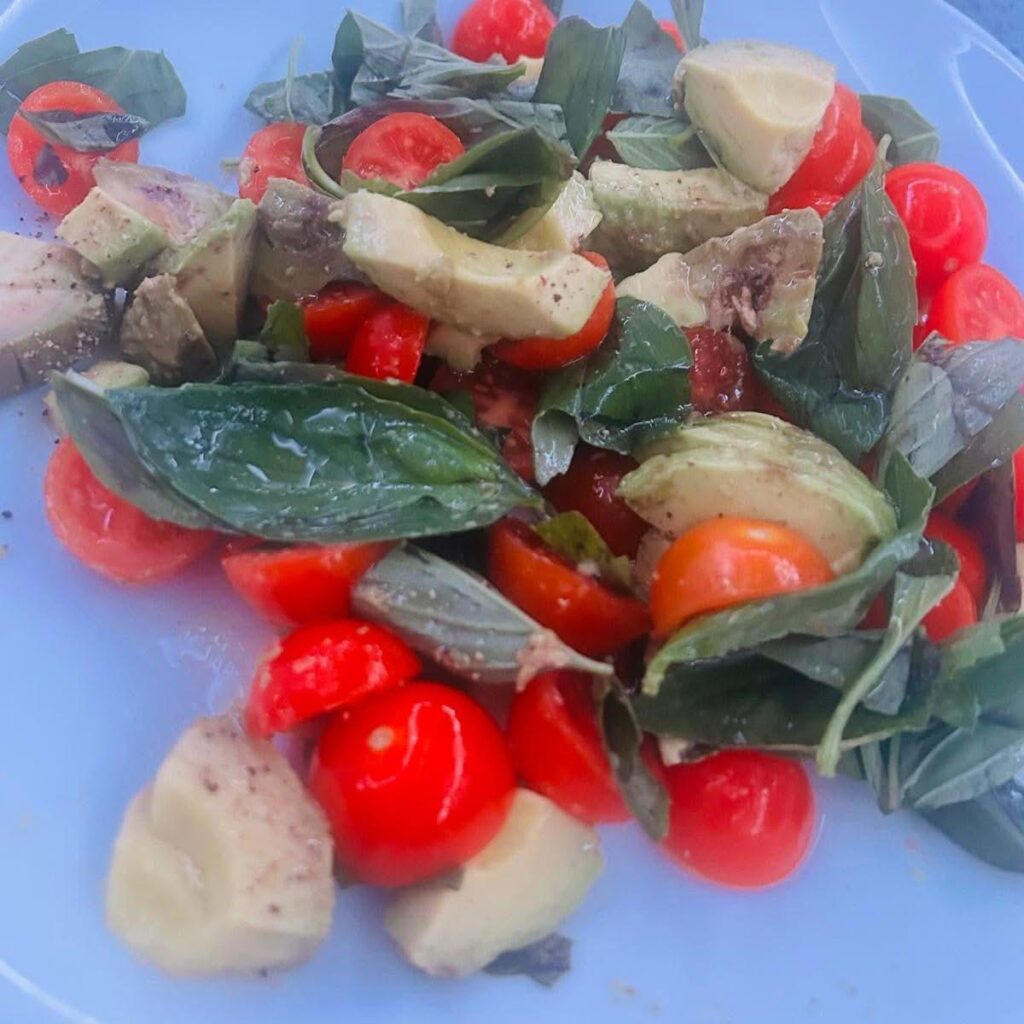
Nourishing Skin From Within
Supporting the skin barrier also means supporting the body.
Focus on foods rich in essential fatty acids (EFAs), such as oily fish & avocados which help strengthen the skin barrier and improve hydration. Add plenty of fresh leafy greens for their antioxidant properties, helping to protect skin cells from oxidative stress.
A Final Word
Menopause skin changes can feel overwhelming, but they are not something you simply have to “put up with.” With the right knowledge, professional guidance, and a holistic approach, it is absolutely possible to support your skin through this transition.
If you’re unsure where to start, our clinically backed treatment menu is designed to support menopausal skin at every stage—safely, effectively, and with integrity.
Your skin isn’t failing you—it’s asking for a different kind of care 💛