
Menopause Matters: My Story, Your Support — Navigating Change with Confidence
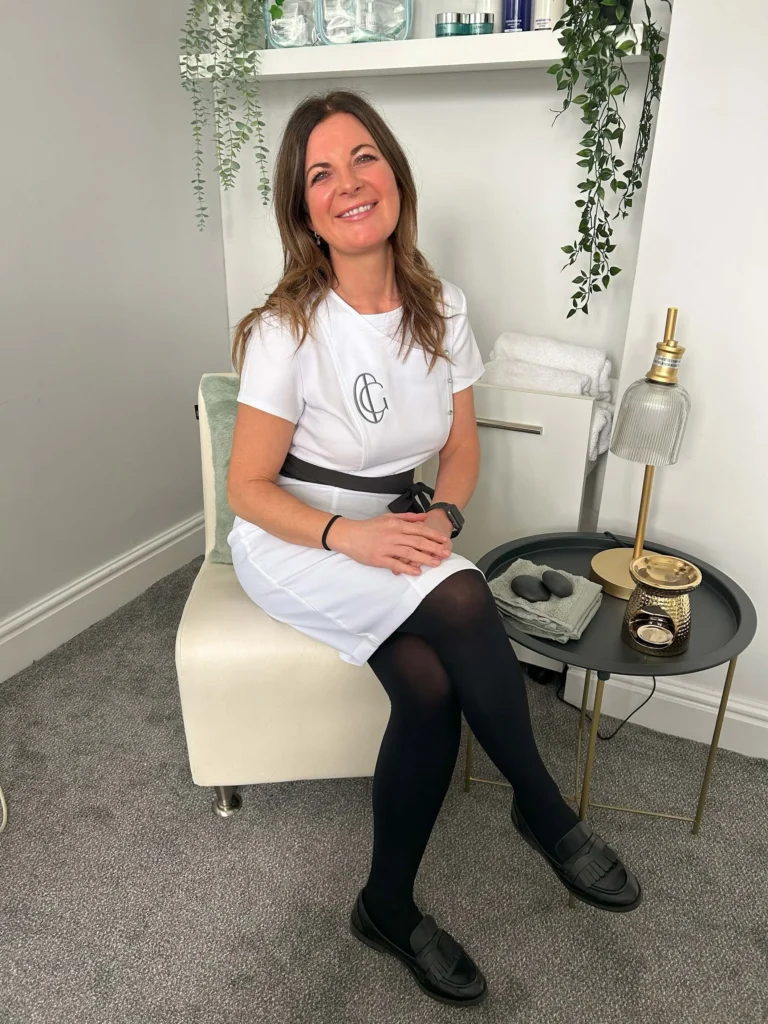
As a 48-year-old woman navigating my own menopause journey, I truly get it.
In my early 40s, I began noticing subtle but undeniable shifts — my ability to cope with everyday stressors changed. I found myself crying more, feeling anxious, losing confidence, and stepping into waves of imposter syndrome at work. At first, I dismissed it as “just that time of the month,” but a pattern emerged: about a week before my cycle, I’d experience emotional crashes, mood swings, and overwhelming fatigue.
At that time, perimenopause wasn’t even on my radar.
Then, at 42, my world was turned upside down when I suffered a stroke. Two brain surgeries and a three-year recovery followed. That period changed everything — my body, my habits, my mindset, and my purpose. Through sheer determination, I rebuilt myself into a stronger, more grounded version of who I was. During that healing journey, my passion for women’s wellness and menopause awareness deepened.
I know firsthand how it feels when life suddenly stops feeling familiar —
and that’s exactly how menopause can feel for so many women.
As a skincare specialist with more than three decades of experience, I’ve always believed in the power of a holistic approach — one that connects skin, health, hormones, and lifestyle. My health crisis taught me the importance of daily habits that serve the body from the inside out: movement, mindfulness, light exposure, whole-food nutrition, and restorative sleep.
At 48, I feel I’m managing menopause well through these consistent habits — but every woman’s journey is unique. For some, medical intervention can be necessary and life-changing. There is absolutely no shame in seeking that support. Lifestyle, education, and medical care can coexist beautifully to help us thrive through this transition.
In this Menopause Matters series, I’ll be sharing what I’ve learned — personally, professionally, and scientifically — to help you understand what’s happening inside your body and how to feel more in control, calm, and connected to yourself again.The information shared in this post is for educational and informational purposes only and is not intended to replace advice from a qualified medical professional, diagnose or treat any medical condition, or substitute professional medical guidance. Always consult with your doctor or healthcare provider regarding your individual health needs.
💬 “You know yourself better than anyone else. If something feels off, trust your intuition and seek support — it’s an act of self-respect, not weakness.”
Understanding Hormones: Your Body’s Communication Network
Hormones act as messengers that regulate nearly every function in the body — mood, energy, metabolism, sleep, skin health, and even cognitive clarity.
During perimenopause and menopause, estrogen, progesterone, and testosterone begin to fluctuate and eventually decline. These shifts can disrupt your brain chemistry, temperature regulation, metabolism, and stress response.
The result? A wide range of symptoms that affect how you look, feel, and function day-to-day.
The Most Common Menopause Symptoms — and How to Manage Them
🔥 Hot Flushes & Night Sweats
What’s happening:
Hot flushes occur when the hypothalamus — the body’s thermostat — becomes more sensitive due to declining estrogen. Stress and cortisol spikes can intensify symptoms by further confusing the body’s temperature regulation.
How they disrupt us:
Sudden waves of heat, sweating, redness, and chills can interrupt sleep, affect work performance, and impact confidence.
How to manage them:
- Wear breathable layers; choose cotton or moisture-wicking fabrics.
- Keep your bedroom cool or use a cooling pillow.
- Limit caffeine, alcohol, and spicy foods — all known triggers.
- Practise slow, deep breathing during a flush to reduce intensity.
- Prioritise stress management to keep cortisol steady.
- Hydrate well to help regulate temperature and reduce dehydration-related flushing.
🌫️ Brain Fog
Cause:
During menopause, estrogen and progesterone drop — both play key roles in how the brain uses glucose (its primary fuel). When these hormones fluctuate:
- Blood sugar becomes more unstable.
- The brain receives inconsistent energy.
- Cognitive clarity can dip.
Think of your brain like a car: if fuel (glucose) arrives inconsistently, the ride becomes jerky. That’s exactly how brain fog can feel.
How to manage it:
- Choose low-GI, fibre-rich foods for steady glucose release.
- Include protein at every meal.
- Regular movement — especially cardio — increases oxygen flow to the brain.
- Omega-3-rich foods (salmon, chia, flaxseed, walnuts) support brain health.
- Aim for 7–9 hours of quality sleep.
- Reduce mental overwhelm with journaling or mindfulness.
⚖️ Weight Gain & Metabolic Changes
Cause:
Women naturally gain 1–2 lbs per year in midlife due to hormonal shifts. Lower estrogen changes fat distribution, slows metabolism, and can reduce insulin sensitivity.
Cortisol spikes from ongoing stress add to abdominal fat storage.
Impact:
Weight may shift toward the abdomen and hips, affecting inflammation, confidence, and metabolic health.
How to manage it:
- Strength training 2–3× weekly boosts metabolism and builds lean muscle.
- Focus on high-protein, high-fibre, anti-inflammatory meals.
- Avoid crash diets — they stress the body and worsen hormonal imbalance.
- Support blood sugar balance at every meal by pairing protein + fibre.
🦴 Muscle & Joint Pain
Cause:
Declining estrogen, progesterone, and testosterone reduce the body’s natural anti-inflammatory protection, leading to aching joints and stiff muscles.
Impact:
You may feel discouraged to move, which increases pain and impacts mood — a cycle many women fall into.
How to manage it:
- Gentle movement (Pilates, yoga, walking) keeps joints supple.
- Prioritise magnesium, omega-3s, hydration, and regular stretching.
- Consider massage or bodywork to improve circulation and recovery.
- Adapt workouts daily based on how your body feels.
💭 Anxiety & Mood Changes
Cause:
Falling estrogen affects serotonin and GABA — neurotransmitters responsible for calm, motivation, and emotional balance.
Impact:
You may feel anxious, irritable, overwhelmed, or “not like yourself.” This can affect relationships, work, and identity.
How to manage it:
- Breathwork, meditation, or grounding to regulate the nervous system.
- Limit caffeine and alcohol — both heighten anxiety.
- Prioritise natural daylight to balance your circadian rhythm (your bodies natural 24 hour body clock). .
- Talk to someone — a friend, therapist, or your GP.
- If offered antidepressants without assessment, remember:
NICE guidelines state antidepressants should not be first-line treatment for menopause-related low mood.
It is absolutely okay to question, clarify, and advocate for yourself.
🧖♀️ The Skin Connection
Hormonal changes during menopause affect skin texture, tone, and resilience.
Fluctuating estrogen can:
- Decrease collagen and elasticity
- Slow cell turnover
- Increase dryness and sensitivity
- Trigger redness or breakouts
Your skin becomes a reflection of what’s happening internally.
This is why, at IGC, I always combine skincare with nutrition, mindset, and lifestyle — it creates long-term radiance, not short-term fixes.
Useful Menopause Resources (Trusted & Evidence-Based)
- NHS Menopause Guidance
https://www.nhs.uk/conditions/menopause/ - British Menopause Society (BMS) – Clinical information, symptoms, HRT guidance
https://thebms.org.uk - Women’s Health Concern (patient arm of BMS)
https://www.womens-health-concern.org - Balance Menopause App by Dr Louise Newson
https://www.balance-menopause.com - NICE Guidelines on Menopause
https://www.nice.org.uk/guidance/ng23 - Menopause in the Workplace Guidance
https://www.gov.uk/government/publications/menopause-in-the-workplace-policy
Final Thoughts
Menopause is not an ending — it’s an evolution.
With the right education, self-awareness, lifestyle tools, and (if needed) medical support, you can emerge stronger, calmer, and more deeply connected to yourself than ever before.
You deserve to feel confident and vibrant at every age — and I’m here to walk this journey with you.
Much love,
Kirsty x
✨ Quick Wins You Can Start Today
- Keep a one-week “flash diary” to identify symptoms + triggers.
- Keep a fan or ice pack by your bed at night.
- Wear breathable, layered clothing; keep a cooling kit in your bag.
- Start a calming night-time skincare ritual: gentle cleanser + barrier-boosting moisturiser.
- Add a 10-minute morning breathing or meditation practice.
- Hydrate consistently; limit caffeine/alcohol after 2pm.